|
|
|


|
1
|
|
2
|
In the Select Physics tree, select Acoustics > Acoustic–Structure Interaction > Acoustic–Piezoelectric Interaction, Frequency Domain.
|
|
3
|
Click Add.
|
|
4
|
Click
 Study. Study. |
|
5
|
|
6
|
Click
 Done. Done. |
|
1
|
|
2
|
|
3
|
Click
 Load from File. Load from File. |
|
4
|
Browse to the model’s Application Libraries folder and double-click the file piezoacoustic_transducer_parameters.txt.
|
|
1
|
|
2
|
|
3
|
|
1
|
|
2
|
|
3
|
|
4
|
|
5
|
Locate the Selections of Resulting Entities section. Select the Resulting objects selection checkbox.
|
|
6
|
From the Color list, choose None or — if you are running the cross-platform desktop —Custom. On the cross-platform desktop, click the Color button.
|
|
7
|
Click Define custom colors.
|
|
9
|
Click Add to custom colors.
|
|
10
|
|
11
|
Click
 Build Selected. Build Selected. |
|
1
|
|
2
|
|
3
|
|
4
|
|
5
|
|
6
|
Locate the Selections of Resulting Entities section. Select the Resulting objects selection checkbox.
|
|
7
|
From the Color list, choose None or — if you are running the cross-platform desktop —Custom. On the cross-platform desktop, click the Color button.
|
|
8
|
Click Define custom colors.
|
|
10
|
Click Add to custom colors.
|
|
11
|
|
12
|
|
13
|
|
14
|
Click OK.
|
|
15
|
|
1
|
|
2
|
|
3
|
|
4
|
|
5
|
|
6
|
Locate the Selections of Resulting Entities section. Select the Resulting objects selection checkbox.
|
|
7
|
From the Color list, choose None or — if you are running the cross-platform desktop —Custom. On the cross-platform desktop, click the Color button.
|
|
8
|
Click Define custom colors.
|
|
10
|
Click Add to custom colors.
|
|
11
|
|
12
|
|
13
|
Click
 Build Selected. Build Selected. |
|
14
|
|
1
|
In the Model Builder window, under Component 1 (comp1) click Pressure Acoustics, Frequency Domain (acpr).
|
|
2
|
In the Settings window for Pressure Acoustics, Frequency Domain, locate the Domain Selection section.
|
|
3
|
|
1
|
|
2
|
|
3
|
|
1
|
In the Model Builder window, under Component 1 (comp1) > Solid Mechanics (solid) click Piezoelectric Material 1.
|
|
2
|
|
3
|
|
1
|
|
2
|
|
3
|
|
1
|
|
2
|
Go to the Add Material window.
|
|
3
|
|
4
|
Click the Add to Component button in the window toolbar.
|
|
1
|
|
2
|
|
1
|
Go to the Add Material window.
|
|
2
|
|
3
|
Click the Add to Component button in the window toolbar.
|
|
4
|
|
1
|
|
2
|
|
1
|
|
2
|
|
3
|
|
4
|
Locate the Material Contents section. In the table, enter the following settings:
|
|
1
|
In the Model Builder window, under Component 1 (comp1) > Pressure Acoustics, Frequency Domain (acpr) click Pressure Acoustics 1.
|
|
2
|
|
3
|
|
4
|
|
1
|
|
1
|
|
3
|
In the Settings window for Exterior Field Calculation, locate the Exterior Field Calculation section.
|
|
4
|
|
1
|
|
1
|
|
1
|
|
3
|
|
4
|
|
1
|
|
2
|
|
3
|
|
4
|
Click
 Range. Range. |
|
5
|
|
6
|
|
7
|
|
8
|
Click Replace.
|
|
1
|
|
2
|
|
3
|
In the table, clear the Use checkboxes for Solid Mechanics (solid), Electrostatics (es), Acoustic–Structure Boundary 1 (asb1), and Piezoelectricity 1 (pze1).
|
|
4
|
|
1
|
|
2
|
|
3
|
|
4
|
|
5
|
|
1
|
|
2
|
|
3
|
Click the Custom button.
|
|
4
|
Locate the Element Size Parameters section.
|
|
5
|
|
1
|
|
3
|
|
4
|
|
1
|
|
2
|
Drag and drop below Size Expression 1.
|
|
3
|
|
1
|
|
2
|
|
3
|
Clear the Generate default plots checkbox.
|
|
4
|
|
1
|
|
2
|
Go to the Result Templates window.
|
|
3
|
In the tree, select Study 1/Solution 1 (sol1) > Pressure Acoustics, Frequency Domain > Acoustic Pressure (acpr).
|
|
4
|
Click the Add Result Template button in the window toolbar.
|
|
1
|
|
2
|
|
3
|
|
1
|
Go to the Result Templates window.
|
|
2
|
In the tree, select Study 1/Solution 1 (sol1) > Pressure Acoustics, Frequency Domain > Sound Pressure Level (acpr).
|
|
3
|
Click the Add Result Template button in the window toolbar.
|
|
1
|
Go to the Result Templates window.
|
|
2
|
In the tree, select Study 1/Solution 1 (sol1) > Pressure Acoustics, Frequency Domain > Acoustic Pressure, 3D (acpr).
|
|
3
|
Click the Add Result Template button in the window toolbar.
|
|
4
|
In the tree, select Study 1/Solution 1 (sol1) > Pressure Acoustics, Frequency Domain > Sound Pressure Level, 3D (acpr).
|
|
5
|
Click the Add Result Template button in the window toolbar.
|
|
6
|
In the tree, select Study 1/Solution 1 (sol1) > Pressure Acoustics, Frequency Domain > Exterior-Field Sound Pressure Level (acpr).
|
|
7
|
Click the Add Result Template button in the window toolbar.
|
|
8
|
|
1
|
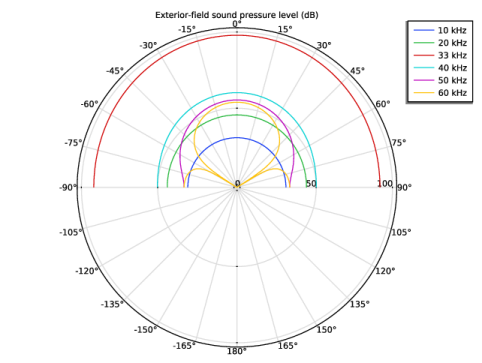
In the Settings window for Polar Plot Group, type Exterior-Field Sound Pressure Level - Selected Frequencies in the Label text field.
|
|
2
|
|
3
|
|
4
|
|
1
|
In the Model Builder window, expand the Exterior-Field Sound Pressure Level - Selected Frequencies node, then click Radiation Pattern 1.
|
|
2
|
|
3
|
|
4
|
|
5
|
|
6
|
|
7
|
|
1
|
In the Model Builder window, right-click Exterior-Field Sound Pressure Level - Selected Frequencies and choose Duplicate.
|
|
2
|
In the Settings window for Polar Plot Group, type Exterior-Field Sound Pressure Level - All Frequencies in the Label text field.
|
|
3
|
|
1
|
In the Model Builder window, expand the Exterior-Field Sound Pressure Level - All Frequencies node, then click Radiation Pattern 1.
|
|
2
|
|
3
|
|
4
|
|
5
|
|
1
|
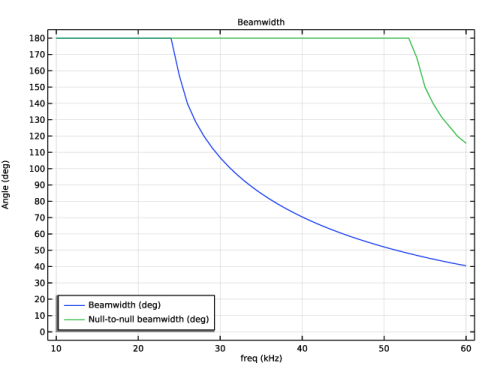
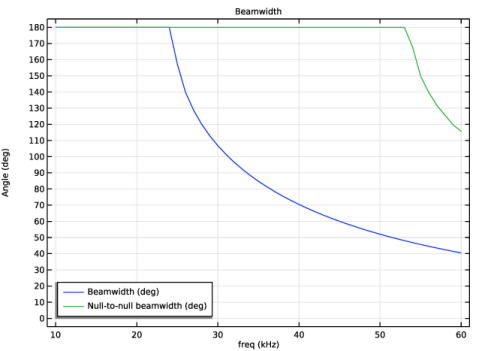
Go to the Beamwidth window.
|
|
2
|
Click the Table Graph button in the window toolbar.
|
|
1
|
|
2
|
Select the Show legends checkbox.
|
|
1
|
|
2
|
|
3
|
|
4
|
Locate the Plot Settings section.
|
|
5
|
|
6
|
|
7
|
|
1
|
|
2
|
|
3
|
|
4
|
|
5
|
|
6
|
|
1
|
|
2
|
Go to the Result Templates window.
|
|
3
|
|
4
|
Click the Add Result Template button in the window toolbar.
|
|
5
|
|
1
|
|
2
|
|
3
|
|
1
|
|
2
|
|
3
|
|
4
|
|
1
|
|
2
|
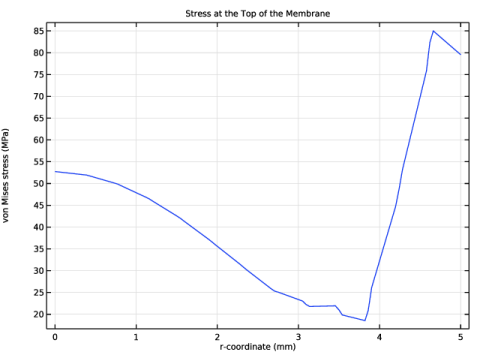
In the Settings window for 1D Plot Group, type Stress at the Top of the Membrane in the Label text field.
|
|
3
|
|
4
|
|
5
|
|
1
|
|
3
|
In the Settings window for Line Graph, click Replace Expression in the upper-right corner of the y-Axis Data section. From the menu, choose Component 1 (comp1) > Solid Mechanics > Stress > solid.misesGp - von Mises stress - N/m².
|
|
4
|
|
5
|
|
6
|
|
7
|
|
1
|
|
2
|
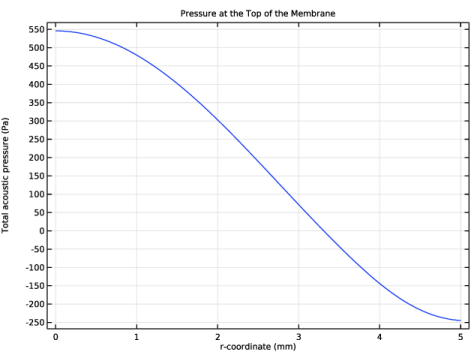
In the Settings window for 1D Plot Group, type Pressure at the Top of the Membrane in the Label text field.
|
|
3
|
|
4
|
|
5
|
|
1
|
|
3
|
|
4
|
|
5
|
|
6
|
|
1
|
|
2
|
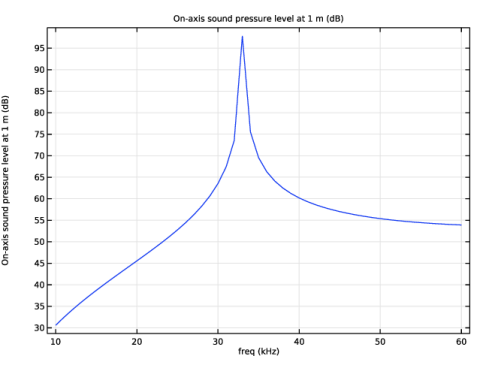
In the Settings window for 1D Plot Group, type On-axis Sound Pressure Level at 1 m in the Label text field.
|
|
1
|
|
2
|
|
4
|
|
5
|